

Key Takeaways
- Sustainable waste disposal reduces environmental harm and supports ecological health.
- Composting helps lower landfill contributions and methane emissions.
- Using reusable goods can curb the accumulation of single-use plastics.
- Community-level waste solutions and technology enhance waste management efficiency.
- Exploring alternative disposal methods, such as waste-to-energy, provides additional environmental benefits.
Proper household waste management has become more important than ever in today’s environmentally conscious world. The way we dispose of everyday items affects both local ecosystems and global environmental health. By taking proactive steps to change how we manage household waste, we can significantly reduce our carbon footprint and foster a cleaner community. A thoughtful approach starts at home and can leverage local resources, such as waste disposal services, to help individuals make smarter choices for the environment and their neighborhoods.
Emphasizing sustainable habits at home sets a foundation for lasting change. From choosing reusable products to adopting composting and participating in neighborhood initiatives, every step contributes to building a scalable solution to household waste problems. Improving waste disposal not only benefits nature but also creates more resilient, healthier living spaces for everyone.
Understanding the full environmental impact of residential waste is the first step toward making informed choices. Proper waste segregation, coupled with advanced technology, can increase the effectiveness of recycling programs and reduce contamination rates. When everyone takes small but consistent actions, these efforts can catalyze widespread environmental improvements.
Another essential factor in sustainable waste management is the availability of responsible options for items that are no longer needed. Reliable junk removal services help dispose of larger volumes of unwanted materials, preventing illegal dumping and ensuring waste is handled in an eco-friendly way.
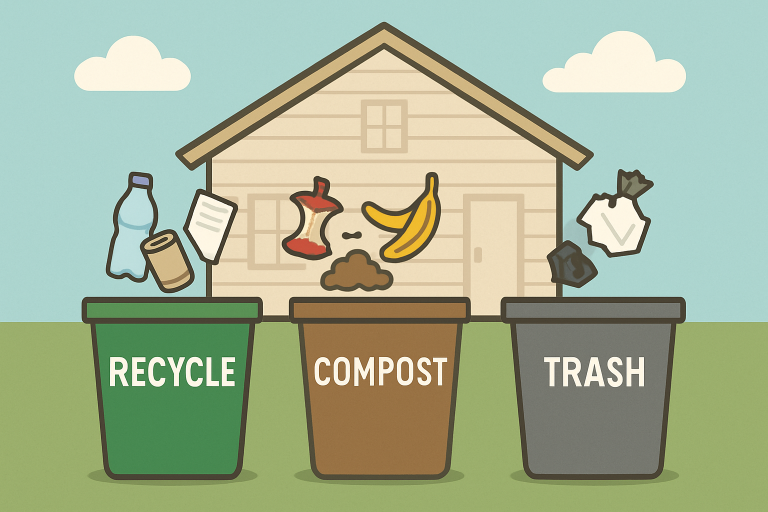
Understanding the Impact of Household Waste
Household waste contributes to several pressing environmental concerns. Improper waste disposal can contaminate soil and waterways, injure wildlife, and add to greenhouse gas emissions, which exacerbate global warming. According to the U.S. Environmental Protection Agency, reducing waste at the source through thoughtful consumption is one of the most effective actions consumers can take. Increasing recycling rates and minimizing landfill contributions are critical for reducing environmental harm over time.
Composting: A Natural Solution
Food scraps, leaf litter, and other organic matter make up a significant portion of household waste. When these materials are composted instead of thrown away, they decompose naturally, creating nutrient-rich soil rather than methane-emitting landfill waste. Composting at home is easier than ever thanks to curbside programs and community compost drop-off points. According to The New York Times, widespread adoption of composting programs can reduce methane emissions and support sustainable agriculture by restoring healthy soils.
Embracing Reusable Alternatives
Adopting reusable items in everyday routines is a small change that creates a meaningful environmental impact. Replacing disposable plastic bags, utensils, and containers with durable fabric, glass, or stainless-steel alternatives helps reduce the volume of waste sent to landfills and oceans. Simple habits, like storing reusable shopping bags in your car or packing meals in glass containers, make sustainable living more convenient. Over time, these choices lower demand for fossil-fuel-based plastics and support a circular economy focused on reuse, durability, and responsible resource management.
Community Composting Initiatives
Many neighborhoods are now hosting shared composting areas and local drop-off sites for organic materials. These projects enable people without backyard space or personal compost bins to divert their waste from landfills. Community composting efforts often result in rich fertilizer for gardens and parks, enhancing urban green spaces. Participating in such programs not only improves your home’s environmental record but also strengthens neighborhood bonds over a shared commitment to sustainability.
Leveraging Technology for Waste Sorting
The rise of smart waste receptacles and artificial intelligence in sorting facilities has ushered in a new era of waste management. Modern recycling centers employ machine learning systems to identify and separate paper, metal, and plastic types with high precision. This technology maximizes the amount of material that can be properly recycled, minimizing contamination and reducing the volume of residual waste sent to landfills. For households, using services that implement these technologies can boost the effectiveness of individual recycling routines.
Implementing Waste-to-Energy Solutions
Some communities are turning to waste-to-energy technologies that convert non-recyclable waste into usable electricity and heat through processes such as anaerobic digestion or incineration. These methods close the loop by diverting more material from landfills and providing additional utility for what would otherwise be considered waste. Harnessing biogas, for example, provides renewable energy while reducing pressure on urban landfills, giving modern households a new way to participate in circular waste solutions.
Conclusion
Sustainable waste-disposal practices empower households to significantly reduce their environmental footprint while setting positive examples within their communities. By composting organic waste, choosing reusable products over single-use items, and actively participating in local recycling or cleanup initiatives, families contribute to a healthier environment. Embracing technological innovations in waste sorting and considering alternative disposal methods further strengthens these efforts. Small, consistent actions taken at home collectively make a meaningful difference. Over time, responsible waste management supports cleaner neighborhoods, conserves natural resources, and helps build a more resilient, sustainable future for generations to come.